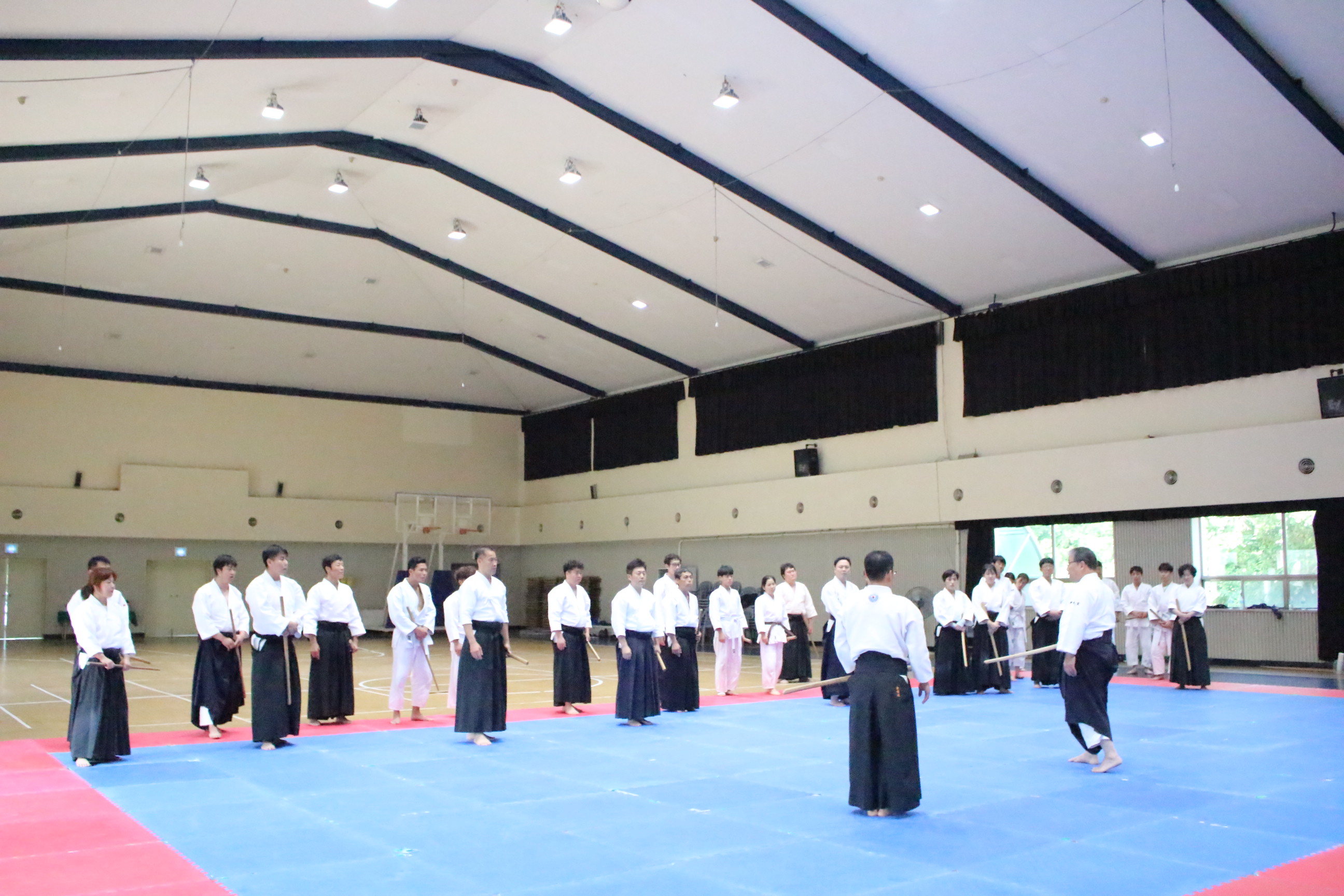
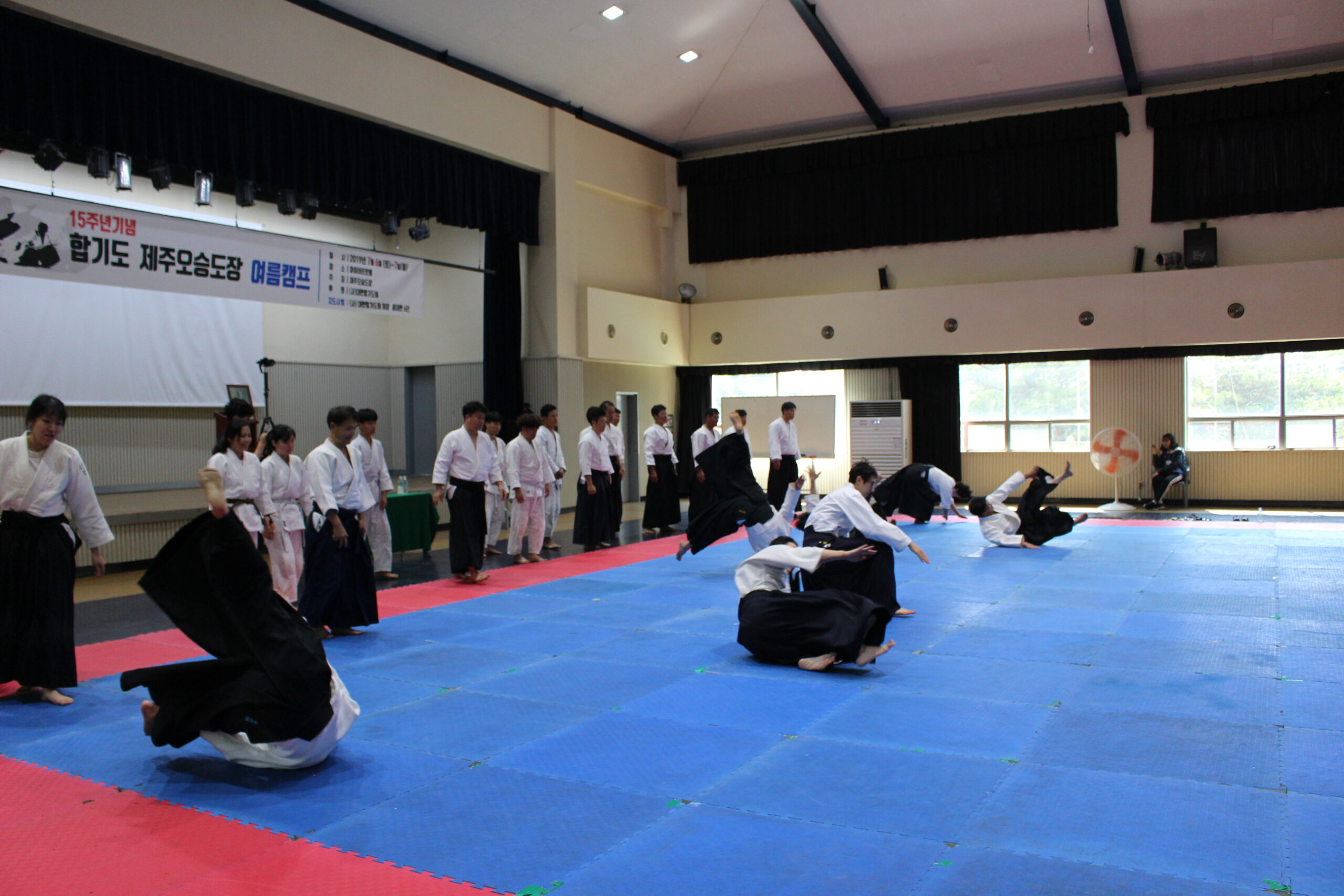
“Don’t kids these days just not want to learn martial arts anymore?” It’s a question dojo owners hear often. Plenty of Taekwondo, Judo, and other martial arts schools have reported feeling the effects of declining membership. So what does the future hold for Aikido? Looking at a few current trends, the picture is more encouraging than it might seem.
Why It Feels Like Fewer People Are Practicing Martial Arts
A shrinking school-age population and the growing number of indoor and gaming leisure options are usually cited as the biggest reasons. Compared to the days when children in every neighborhood naturally attended a Taekwondo school, the very idea of martial arts as a “standard part of growing up” has faded. But this is a shift affecting the martial arts market as a whole — it isn’t a crisis unique to Aikido.
A New Trend Led by Seniors
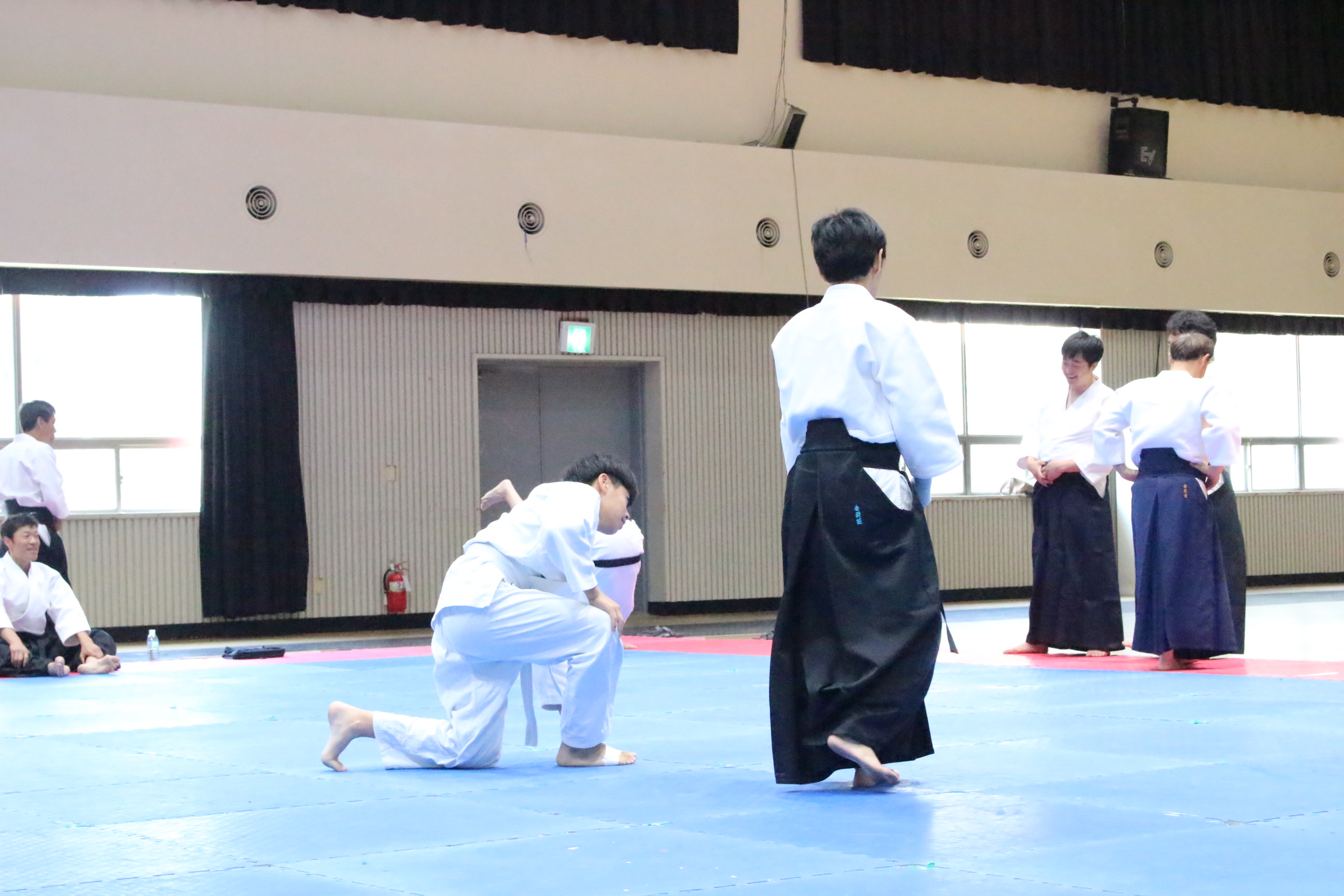
A change observed across many dojos recently is a rise in middle-aged and senior new members. For people in their 50s and 60s looking to manage their health and find a new community after retirement, Aikido — which requires no intense sparring — is emerging as an appealing option. As practical benefits like fall prevention and improved balance become more widely known, this trend is likely to become even more pronounced.
YouTube Shorts Open a New Path to Discovery
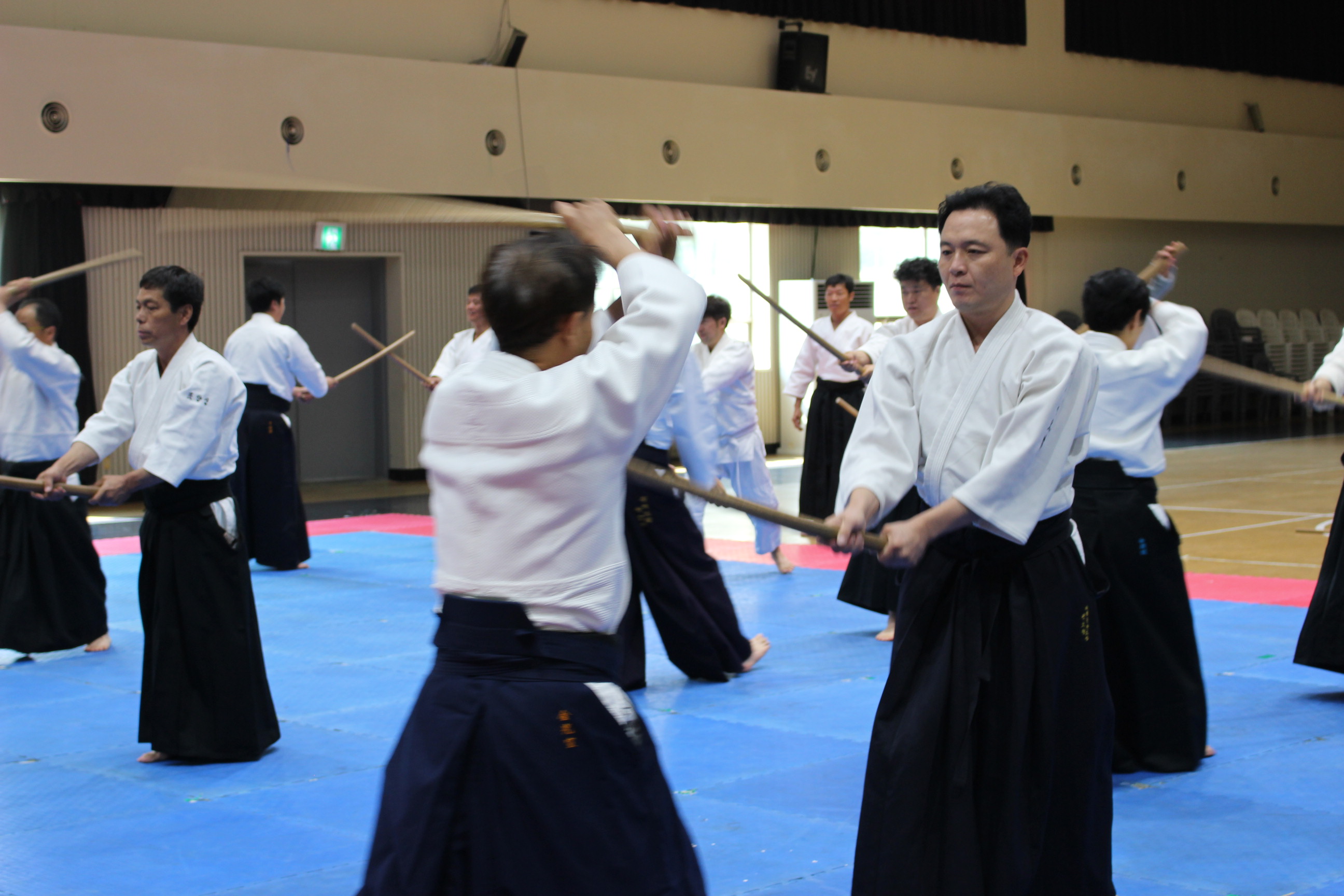
In the past, the only way people discovered a dojo was by walking past a sign on the street. That’s no longer true. More and more people are finding their way to a dojo after seeing short videos of technique demonstrations or sword practice. Short, visual content is turning out to be a gateway that sparks the desire to “learn this with my own body.”
A Growing Community Through International Exchange
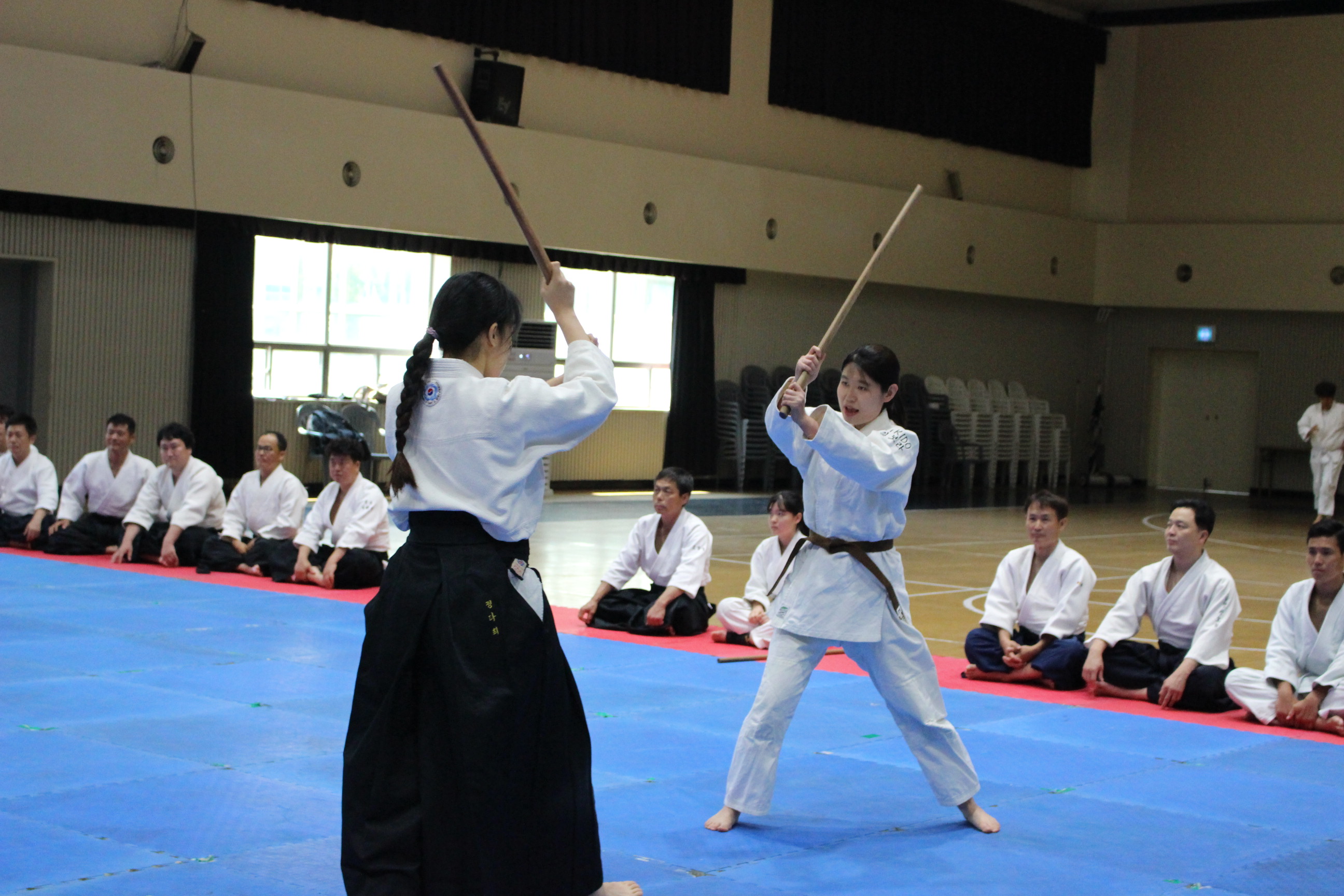
Joint training sessions with overseas dojos in places like Taiwan and China, as well as exchange between dojos in different regions at home, are becoming increasingly active. International exchange, once seen as a rare special event, is becoming a fairly regular occurrence — broadening practitioners’ perspectives and expanding the Aikido community itself.
Why It Matters Even More in the Age of AI
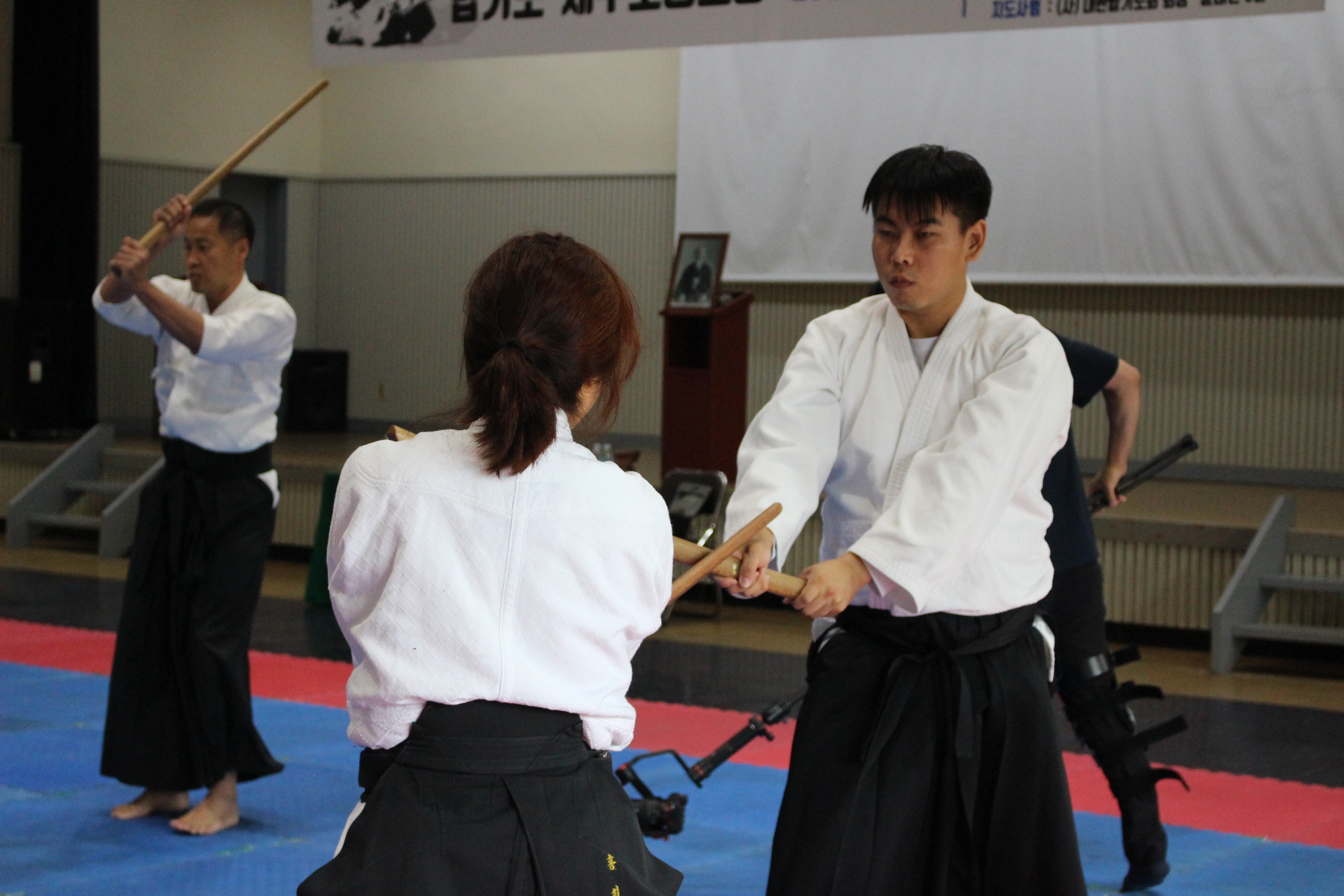
The more time we spend looking at screens, and the more AI takes over tasks for us, the more valuable the experience of learning directly through the body becomes. The realm technology can’t replace — the sense and rhythm learned face to face between people — is likely to keep generating steady demand.
Conclusion: Not Explosive Growth, but a Steady Path
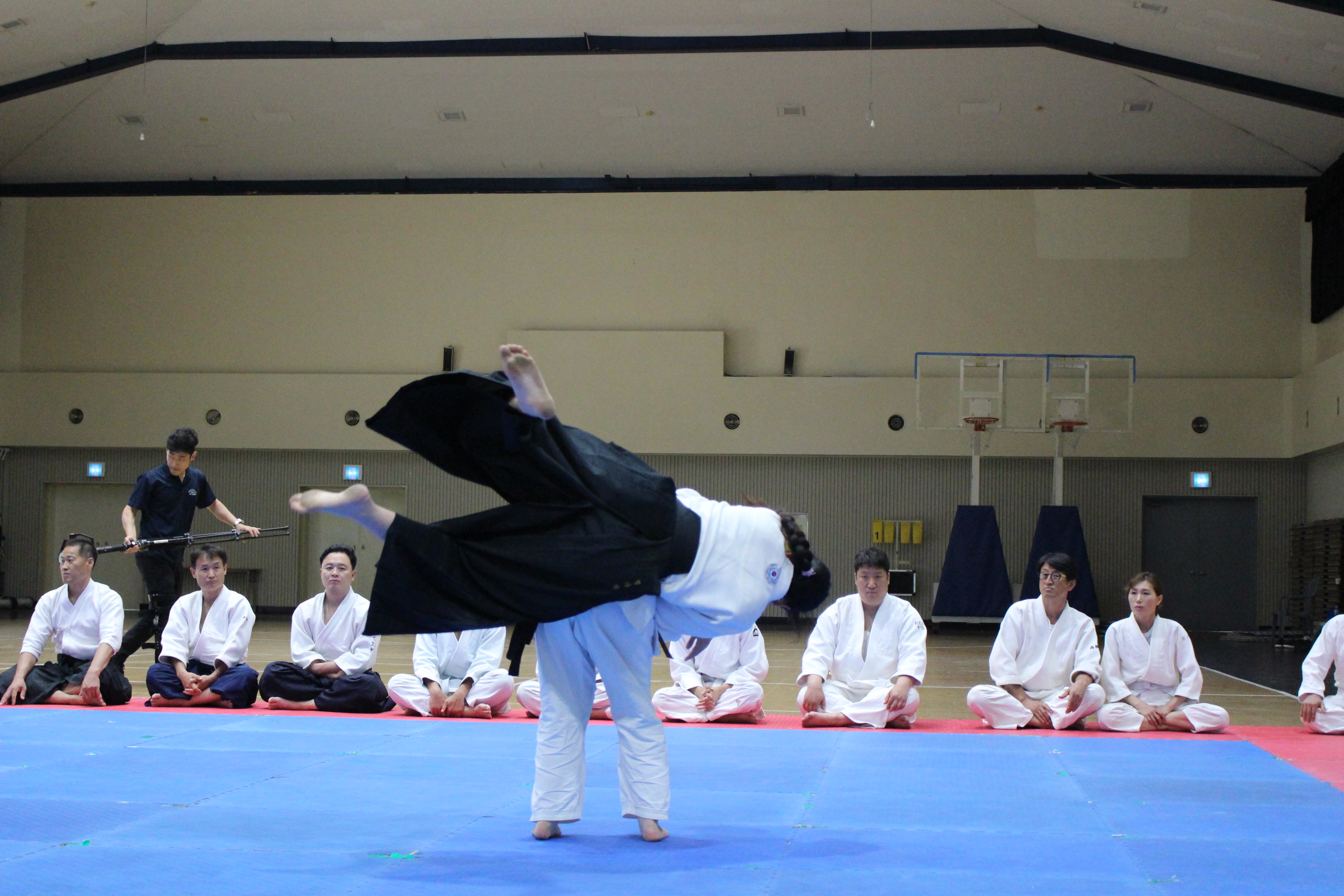
Aikido isn’t a martial art built for explosive growth. Its emphasis on repetitive kata practice and a rank system that takes a long time to progress through don’t quite match an era accustomed to fast results. But that very trait is also why students who start Aikido tend to stay with it for the long run. With senior wellness, discovery through digital content, and international exchange converging, Aikido is increasingly seen as a martial art that may not grow flashily, but is likely to keep going strong.